aboutfrozen
Frozen shoulder is considered to be a rogue auto-immune response that produces excessive inflammation.
The inflamed joint capsule becomes thickened and fails to move normally. This causes severe restriction to movement.
The inflammation also initiates a strong pain response.
It is important to know that Frozen shoulder will get better, but typically takes 6-18 months for the symptoms to ease and allow more normal function.




aboutfrozen
Frozen shoulder typically affects people aged between 40-65 years of age. Quite often it starts without trauma.
In its early stages the shoulder is very painful and can disturb sleep. During this stage injection therapy can ease some of the symptoms. The shoulder condition typically becomes stiff and functional movement is limited.
The good news is for the vast majority of people the condition will get better on its own; the process however isn't fast and the effects of a frozen shoulder can last for 18 months plus.
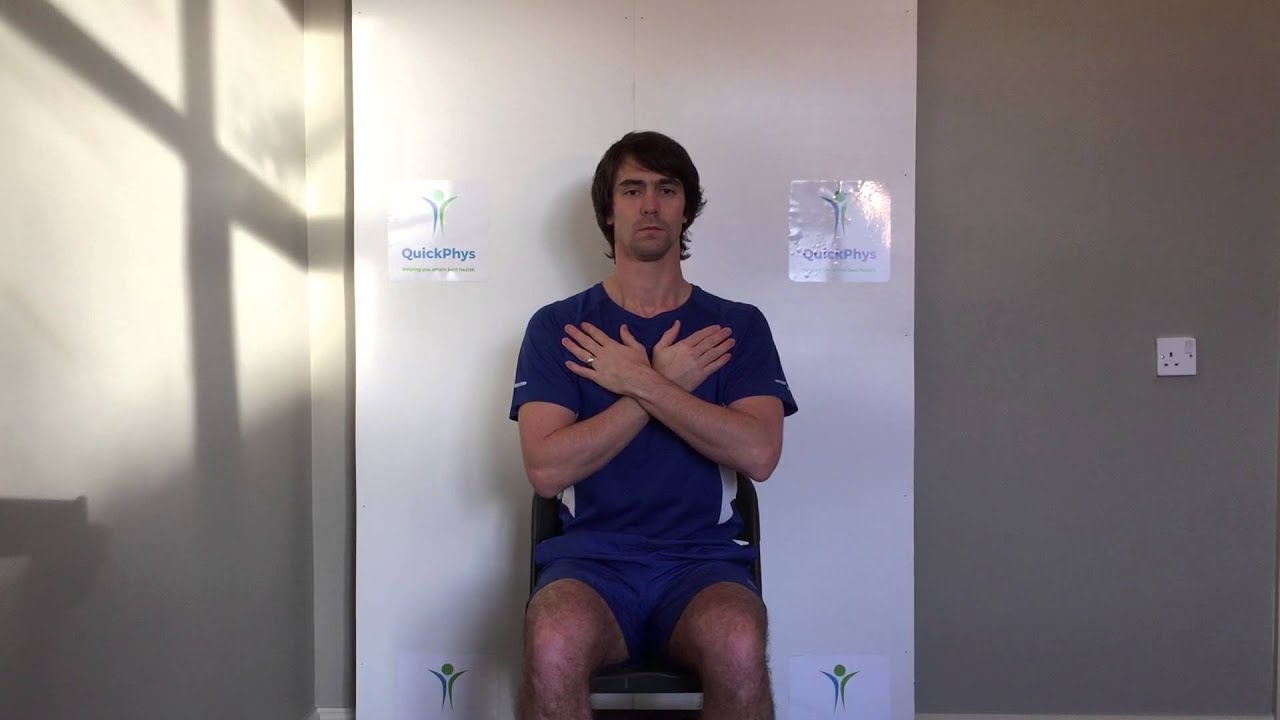
The exercises shown on this page help to maintain best health and muscle function. It is important to mobilise the neck and thoracic spine as these often become stiff as a result of the long term shoulder problem.